After Dark Workouts: How Parisian Sports Facilities Accommodate Evening Sessions for Busy Professionals Pursuing Fitness Goals
Écrit par Jonas Hansen · 27/9/2026
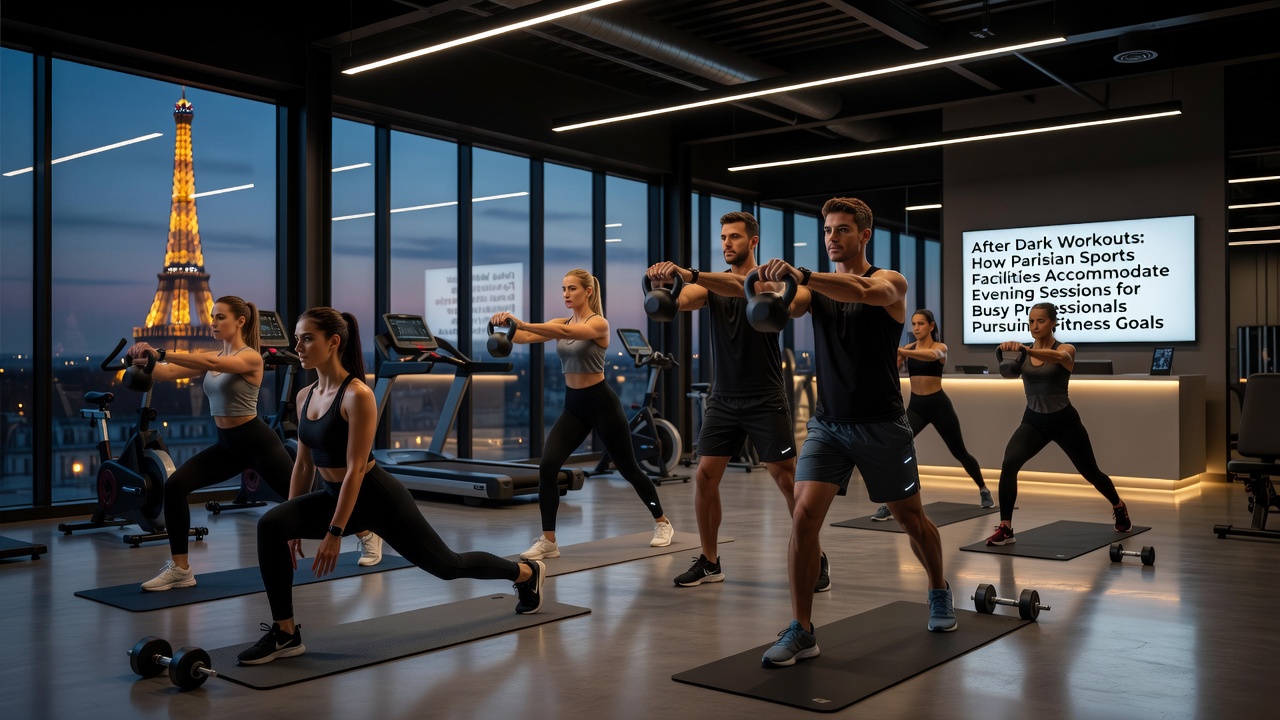
After Dark Workouts: How Parisian Sports Facilities Accommodate Evening Sessions for Busy Professionals Pursuing Fitness Goals
Parisian sports facilities have expanded evening access in recent years to meet the schedules of professionals who finish work after traditional daytime hours. Many centers in central districts operate until 10 or 11 p.m. on weekdays, while others maintain consistent late-night slots across multiple arrondissements. These adjustments align with commuting patterns along major lines such as the RER and Métro, which continue running into the evening. Facilities often adjust staffing and programming to handle peak periods between 6 p.m. and 9 p.m. Group classes in yoga, cycling, and strength training fill quickly, and reservation systems allow members to secure spots in advance through dedicated apps. Equipment zones remain open without interruption, and maintenance crews complete routine checks during slower midday windows so that evening users encounter fully operational machines.Extended Hours and Access Policies
Several municipal pools and private gyms publish updated timetables each quarter that include dedicated evening lanes for lap swimming and circuit training. Data from the French Ministry of Sports indicates steady increases in after-hours participation across urban centers, with figures showing growth in registered evening users between 2023 and 2025. Access cards and digital entry points reduce wait times at reception desks during rush periods.
Security protocols include well-lit entrances, on-site personnel until closing, and surveillance coverage throughout training areas. These measures support consistent attendance while facilities manage energy use through LED installations and timed climate controls that activate only in occupied zones.Programming Tailored to Professional Schedules
Coaches design short-format sessions of 45 to 60 minutes that fit between work and personal commitments. High-intensity interval classes and mobility workshops run back-to-back in the early evening, while recovery-focused stretching and sauna access extend later. Some venues partner with nearby offices to offer corporate rate packages that include flexible cancellation for last-minute schedule changes.
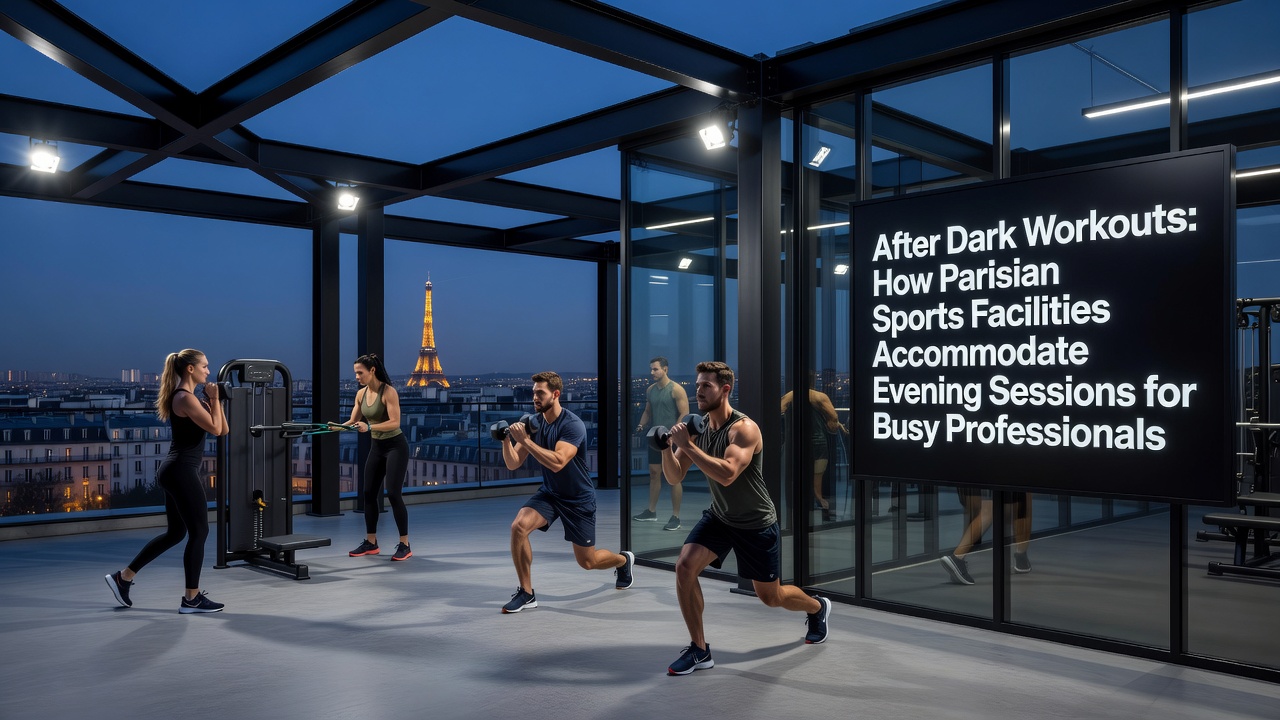 One study from the University of Sydney examined evening exercise patterns in European cities and noted comparable adaptations in lighting, ventilation, and instructor availability to accommodate later arrivals. Facilities in Paris apply similar adjustments by staggering class start times and providing post-session shower facilities that remain open until final closing.
Infrastructure Updates and September 2026 Developments
City planning documents outline further expansions scheduled for implementation in September 2026, including additional evening slots at multi-sport centers near major business hubs. These changes coincide with ongoing upgrades to public transit connections that extend service on select lines during peak fitness hours. New installations will incorporate improved sound insulation and climate zoning to maintain comfort levels when occupancy rises after standard business hours.
Operators track usage metrics through integrated software that identifies high-demand periods and reallocates staff accordingly. This data-driven approach helps maintain equipment availability and reduces downtime during the busiest evening blocks.Conclusion
Parisian sports facilities continue refining evening operations through extended timetables, targeted programming, and infrastructure planning that addresses the needs of professionals with demanding daytime commitments. Participation records and facility reports demonstrate sustained demand for these late sessions, while upcoming adjustments in September 2026 aim to further align capacity with observed usage trends across the city.