Paris Covered Passages Support Inline Hockey Drills for Urban Enthusiasts
Écrit par Ben Schwarz · 22/11/2026
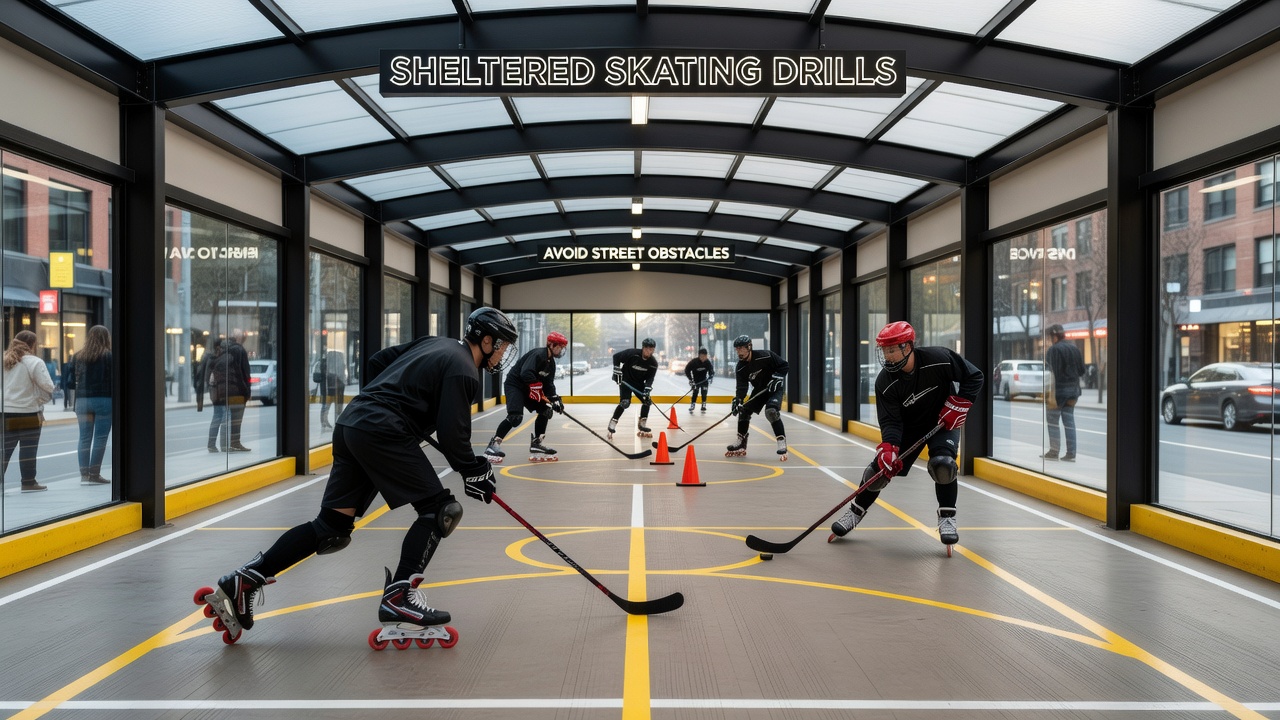
Paris Covered Passages Support Inline Hockey Drills for Urban Enthusiasts
Paris features numerous covered passages constructed primarily in the 19th century, and these structures now accommodate inline hockey enthusiasts who conduct skating drills while sheltered from street obstacles during peak traffic periods. Data from municipal records shows that passages such as Galerie Vivienne and Passage des Panoramas span several blocks with consistent roofing and smooth flooring that suits wheeled activities. Researchers at European urban planning institutes have documented how these spaces maintain temperatures between 15 and 22 degrees Celsius year-round, which supports consistent training regardless of external weather conditions. Enthusiasts coordinate sessions around rush hours when pedestrian and vehicle traffic peaks between 7 and 9 in the morning along with 5 and 7 in the evening. City traffic reports indicate that streets outside these passages experience up to 40 percent higher obstacle density during those windows, prompting skaters to shift indoors. Inline hockey groups reserve time slots through local sports associations, and schedules posted on community boards list drills focused on puck handling, edge work, and agility maneuvers that fit within the narrow corridors measuring 3 to 5 meters wide.Historical Architecture Meets Contemporary Training Needs
Observers note that the iron-and-glass frameworks of these passages, originally designed for shopping arcades, provide natural lighting supplemented by modern LED fixtures installed after 2018 renovations. Figures from the Paris Department of Heritage reveal that 12 passages received accessibility upgrades including reinforced flooring capable of supporting repeated skating impacts. This infrastructure allows drills involving lateral movements and quick stops without the risk of surface cracks common on outdoor asphalt during wet seasons.
Training programs expanded in late 2025 when several passages extended evening access hours through agreements with property managers. By November 2026, additional slots opened on weekday afternoons to accommodate school groups and adult leagues preparing for regional tournaments. Attendance logs compiled by the French Inline Sports Federation show a 28 percent rise in registered participants using these venues compared with the previous year.
Drill Structures and Safety Protocols
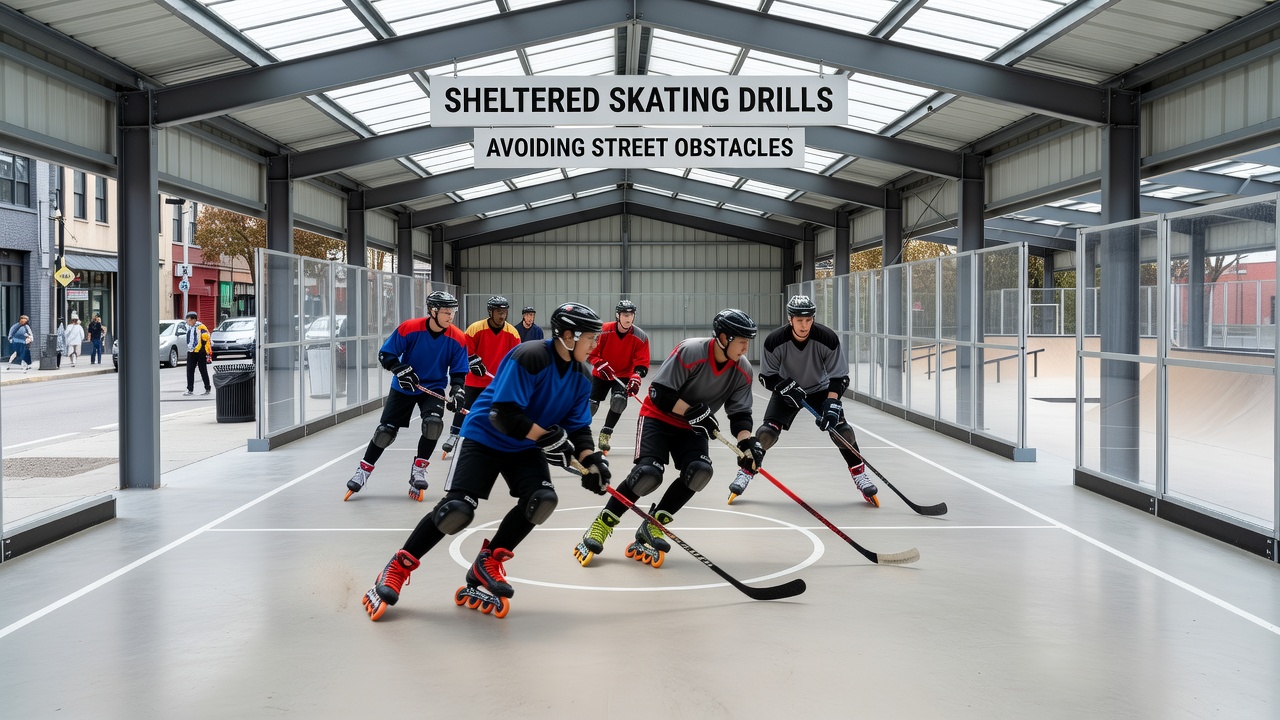
Coaches organize sessions into segments that include warm-up laps along the full length of each passage, followed by stationary puck control exercises and partner passing sequences. Safety guidelines issued by the European Association for Urban Sports require participants to wear helmets, elbow pads, and knee guards, while temporary cones mark drill boundaries to prevent collisions with architectural columns. Records from participating clubs indicate that injury rates remain below 2 percent per 100 training hours when these protocols are followed.
Equipment storage lockers installed near passage entrances allow skaters to transition quickly from street shoes to inline skates. Ventilation systems upgraded in 2023 maintain air quality levels that meet standards set by the World Health Organization for enclosed recreational spaces. These features combine to create environments where drills can continue uninterrupted even when external streets face construction or heavy delivery traffic.
Community Coordination and Access Patterns
Local inline hockey clubs publish monthly calendars that list available time blocks across multiple passages, and participants book through digital platforms managed by the Paris Sports Department. Data collected in 2025 showed average session lengths of 75 minutes, with groups rotating to distribute wear on flooring surfaces. Partnerships with nearby businesses provide rest areas where athletes can hydrate between drills without leaving the covered network.
November 2026 marks the start of a pilot program that extends access to select passages until 10 p.m. on Fridays, responding to requests from working professionals who train after standard business hours. Registration figures released by the city confirm that over 650 individuals signed up for the expanded schedule within the first three weeks of announcements.
Integration with Broader Urban Sports Networks
According to a report issued by the Canadian Urban Recreation Institute, repurposed historic interiors like Paris passages demonstrate measurable benefits for reducing conflicts between recreational users and motorized traffic. Australian Sports Commission studies on niche wheeled sports similarly highlight how enclosed corridors support skill development when open street space becomes limited. These international findings align with observations from Paris-based trainers who track progression in skating speed and puck accuracy among regular users.
Maintenance crews inspect flooring weekly for debris and apply specialized coatings that reduce friction variability. Signage posted at entrances reminds participants of noise restrictions after 8 p.m., and sensors monitor foot traffic to alert coordinators when capacity approaches recommended limits. Such measures keep the spaces functional for both sports drills and occasional public events.
Conclusion
Paris covered passages continue to serve as reliable venues for inline hockey enthusiasts seeking protected environments during peak street activity periods. Records through November 2026 document steady growth in usage alongside infrastructure improvements that maintain safety and accessibility. These historic structures demonstrate how existing architecture adapts to support specialized training while minimizing interference with urban flow.